We use cookies on this website to ensure its proper functioning and to improve the quality of our services. Cookie Policy
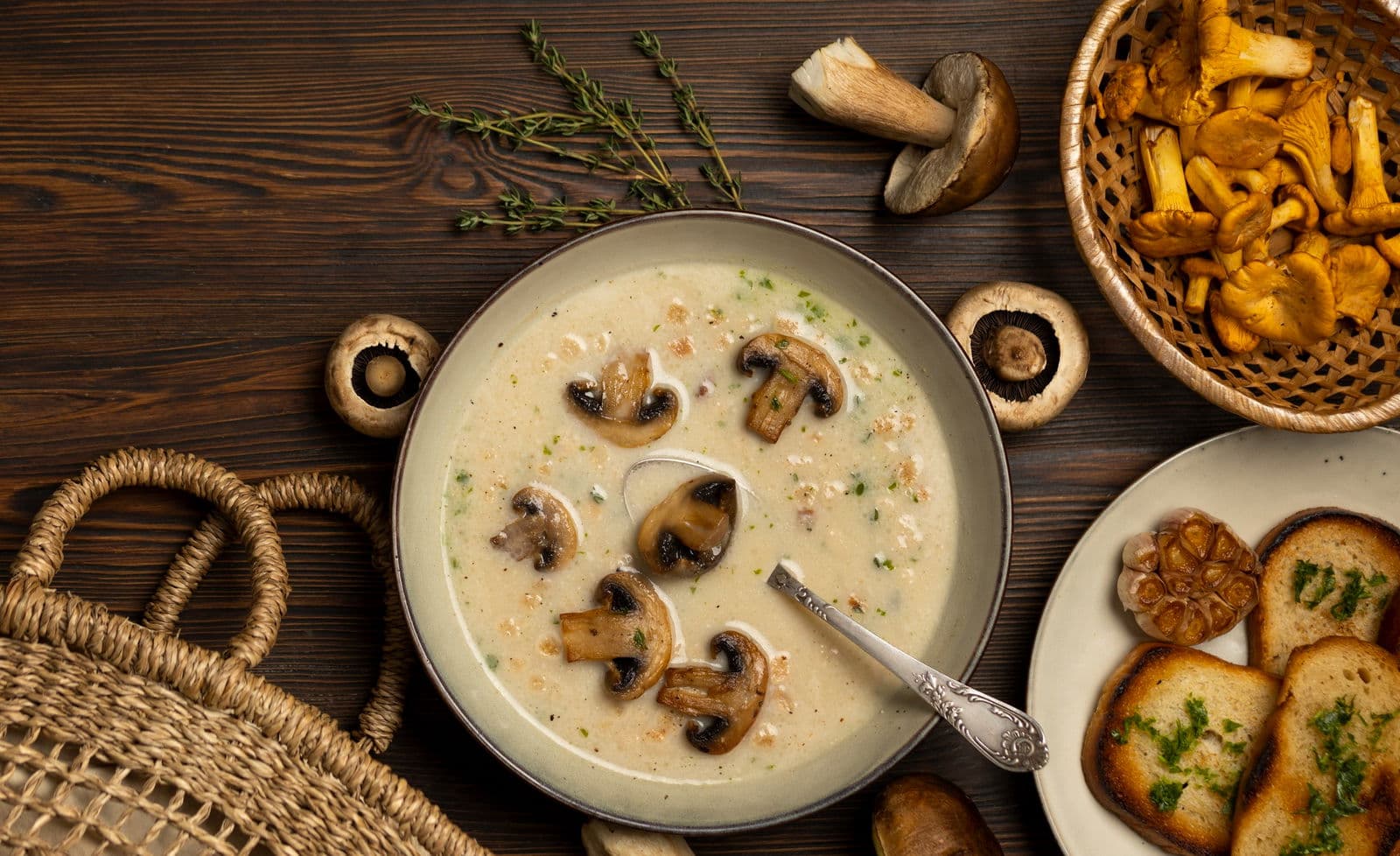
Mushrooms are everywhere. They show up in stir-fries, on pizza, in soups, and even in your morning coffee these days. But here is the thing most people do not know: mushrooms are not even vegetables. They are fungi. And they are loaded with health benefits that most other foods simply cannot match.
Whether you are a fan of the classic button mushroom or you love something more exotic like shiitake or oyster mushrooms, adding mushrooms to your meals is one of the easiest ways to boost your nutrition. They are low in calories, rich in vitamins, and packed with antioxidants. Let us break down everything you need to know.
One cup of raw mushrooms has only about 15 calories. Yet that same cup gives you protein, fiber, B vitamins, selenium, potassium, and copper. Mushrooms are also one of the only foods in the produce aisle that can naturally provide vitamin D. When mushrooms are exposed to sunlight or UV light, they produce vitamin D just like our skin does. That makes mushrooms a rare plant-based source of this important nutrient.
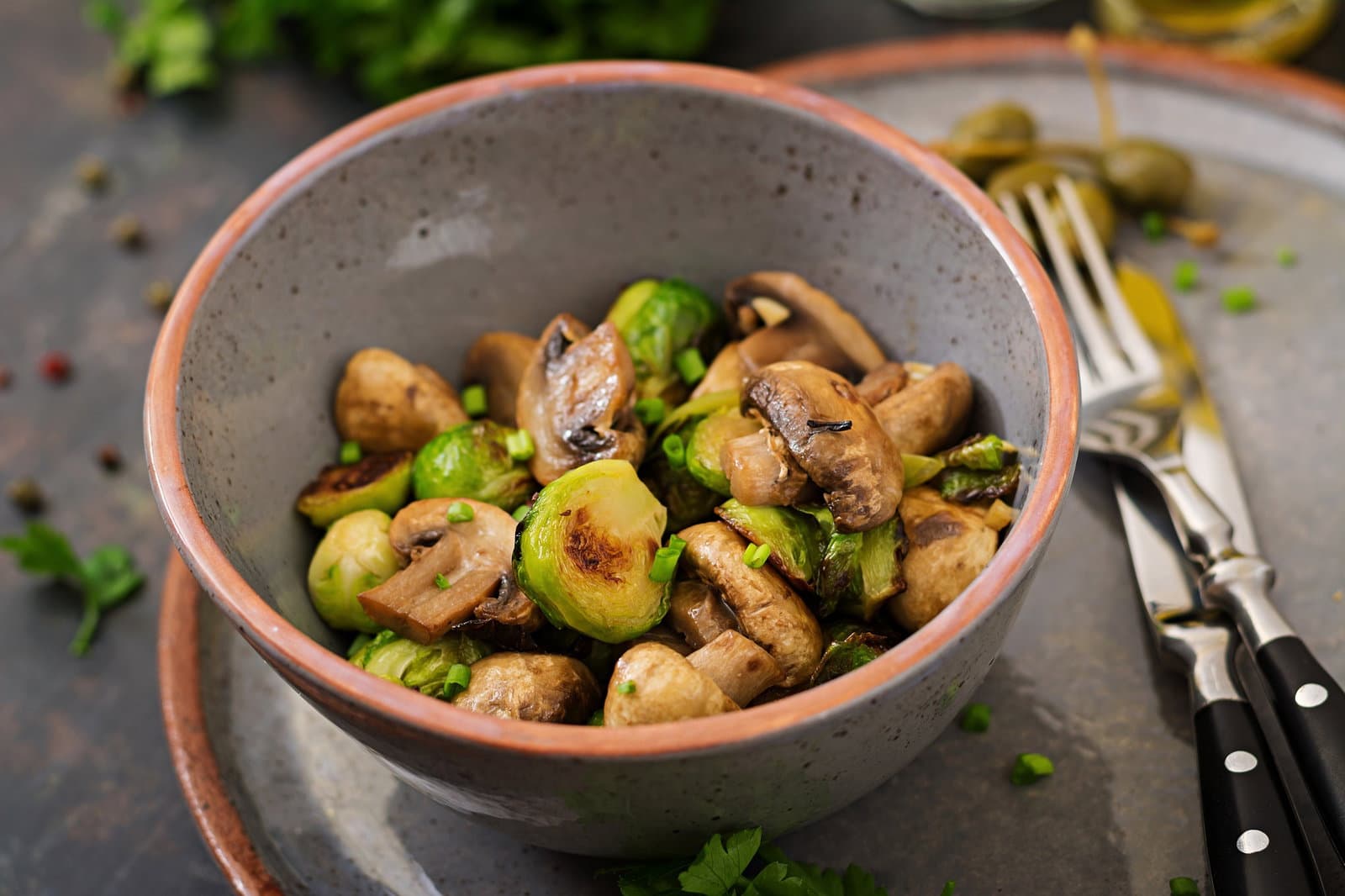
A review of 17 cancer studies found that eating about two medium mushrooms a day may lower your risk of cancer by up to 45%. Mushrooms contain powerful antioxidants called ergothioneine and glutathione that help protect your cells from damage. Shiitake, oyster, and maitake mushrooms have the highest levels of these antioxidants, but even regular white button mushrooms can help.
Studies suggest that eating about two cups of mushrooms per week can cut the risk of mild cognitive impairment in half. Lion's mane mushrooms get a lot of attention here because they contain compounds that may help grow new brain cells. But even common varieties like button and cremini mushrooms support brain health thanks to their B vitamins and antioxidants.
Mushrooms are loaded with nutrients that keep your immune system strong. Selenium helps your body make antioxidant enzymes. Vitamin D supports cell growth and reduces inflammation. Shiitake and maitake mushrooms also contain beta-glucans, natural compounds that wake up your immune cells and help your body fight off infections more quickly.
Mushrooms can protect your heart in several ways. They are naturally low in sodium, rich in potassium (which helps your blood vessels relax), and contain compounds that help prevent plaque buildup in your arteries. Research also shows that shiitake mushrooms can help lower cholesterol levels.
If you love a hearty, savory mushroom dish, try this Creamy Crockpot Mushroom Chicken. It is comfort food that is actually good for your heart.
Mushrooms contain polysaccharides, a type of fiber that passes through your stomach and reaches your colon. Once there, these polysaccharides encourage the growth of healthy bacteria and suppress harmful ones. A healthy gut means better digestion, a stronger immune system, and even a better mood.
Because mushrooms are so low in calories but high in fiber and water, they fill you up without adding extra pounds. Studies show that replacing even 20% of meat in a recipe with mushrooms can help with weight loss while keeping the flavor just as good.
Try swapping half the ground meat in your next pasta sauce with chopped mushrooms. This Mushroom Bolognese is a perfect example of how delicious that swap can taste.
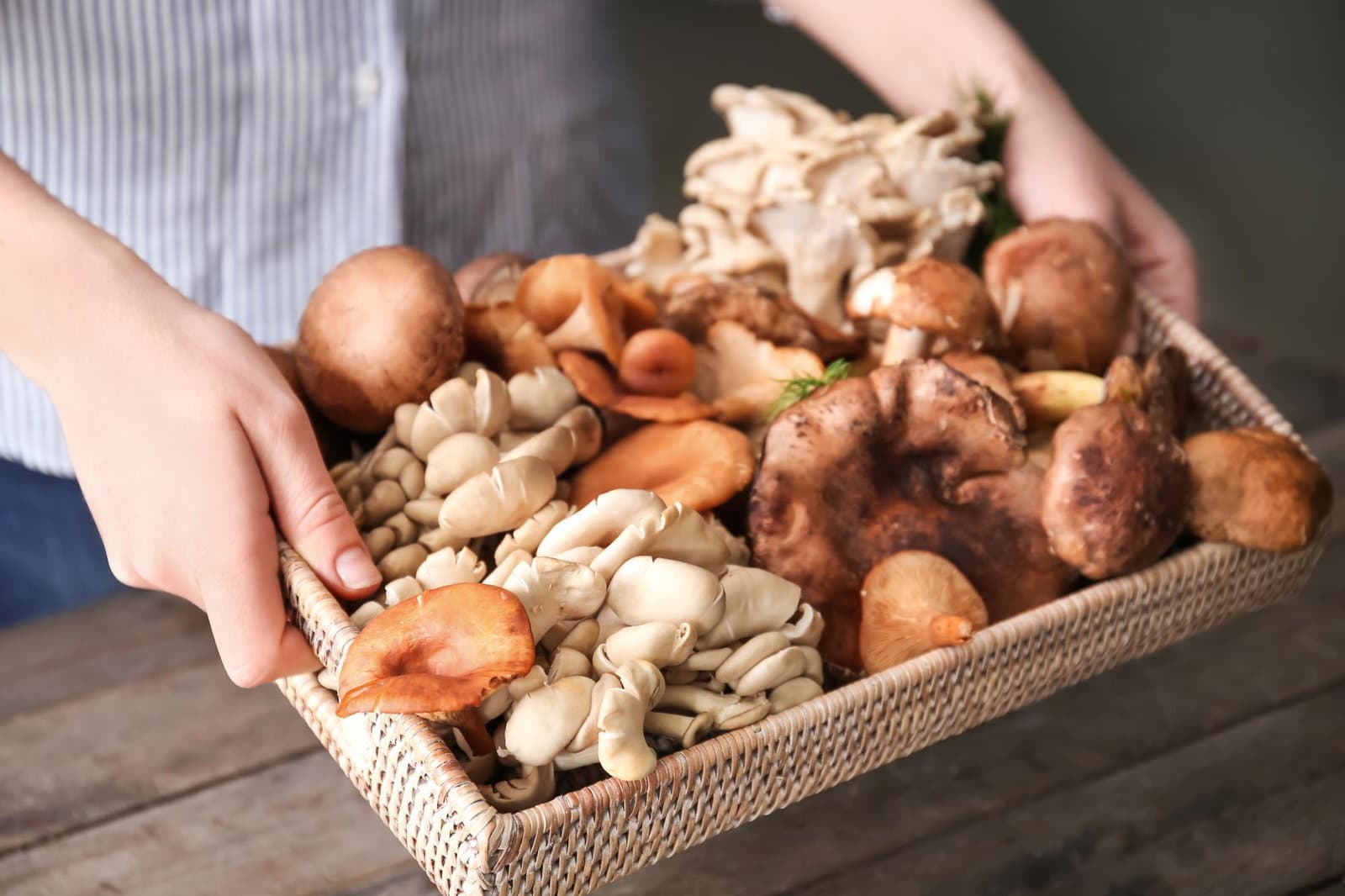
There are over 2,000 edible mushroom species, but here are the most popular and healthiest types you can find at your local store:
Now that you know how good mushrooms are for you, here are some tasty ways to eat more of them.
For a quick appetizer, Cheesy Mushrooms are gooey, flavorful, and perfect for snacking. Love Indian food? Mushroom Tikka Masala (Restaurant Style) brings rich, creamy flavors right to your kitchen. For a spicy side, Mushroom Pepper Fry is simple, bold, and ready in minutes.
If brunch is more your thing, a Mushroom and Goat's Cheese Omelette makes for a protein-packed morning. For game day, grab some Italian Sausage Mushroom Mini Quiche. And for a truly special sandwich, this Truffle Mushroom Cheesesteak is next-level delicious.
Store mushrooms in the refrigerator in a paper bag, not plastic. Do not wash them until you are ready to cook. A quick rinse or wipe with a damp cloth is all they need.
Cook mushrooms with a small amount of oil or butter. Since vitamin D is fat-soluble, pairing mushrooms with a little fat helps your body absorb more of the nutrient. Sauteing, grilling, and roasting are all great methods.
Q1. Are mushrooms good for you?
A1. Yes. Mushrooms are low in calories, fat-free, cholesterol-free, and packed with vitamins, minerals, and antioxidants that support your immune system, brain, heart, and gut health.
Q2. What is the healthiest mushroom to eat?
A2. Shiitake, oyster, and maitake mushrooms tend to have the highest levels of beneficial antioxidants. However, all edible mushrooms offer health benefits, including common white button mushrooms.
Q3. How many mushrooms should you eat per day?
A3. Studies suggest eating about two medium mushrooms a day (roughly 18 grams) may lower cancer risk. Eating about two cups per week is also linked to better brain health.
Q4. Can mushrooms replace meat in recipes?
A4. Absolutely. Mushrooms have a meaty texture and rich umami flavor that works well as a meat substitute. Replacing even part of the meat with mushrooms can lower calories, fat, and sodium without sacrificing taste.
Q5. Do mushrooms have vitamin D?
A5. Yes. Mushrooms are the only produce item that naturally contains vitamin D. When exposed to sunlight or UV light, they can produce even more.
Q6. Are mushroom supplements as good as whole mushrooms?
A6. Whole mushrooms are generally the better choice. The supplement industry is not tightly regulated, so fresh or dried mushrooms provide a fuller range of nutrients and dietary fiber.
Q7. Can you eat mushrooms raw?
A7. Yes. Many mushrooms, such as button, cremini, and enoki, can be eaten raw. However, cooking mushrooms can make some nutrients easier for your body to absorb.
Q8. Are mushrooms safe for everyone?
A8. Most people can safely enjoy mushrooms. If you have a mushroom or mold allergy, avoid them. Anyone taking immune-related medications should consult a doctor before eating large amounts of medicinal mushrooms.
Q9. What is the best way to cook mushrooms for maximum nutrition?
A9. Sautéing or grilling mushrooms with a little olive oil or butter is ideal. The fat helps your body absorb vitamin D. Avoid overcooking, as it can reduce B vitamin content.
Mushrooms are one of nature's most underrated superfoods. They are low in calories, loaded with vitamins and antioxidants, and linked to lower risks of cancer, heart disease, and cognitive decline. Whether you toss them into a salad, saute them as a side dish, or build an entire meal around them, mushrooms deserve a regular spot on your plate. The best part? You do not need anything fancy. Even the humble button mushroom from your local grocery store can make a real difference for your health.
Posted on 26 Feb 2026

Save recipes from anywhere, and get answers, swaps, and help as you cook.

