We use cookies on this website to ensure its proper functioning and to improve the quality of our services. Cookie Policy
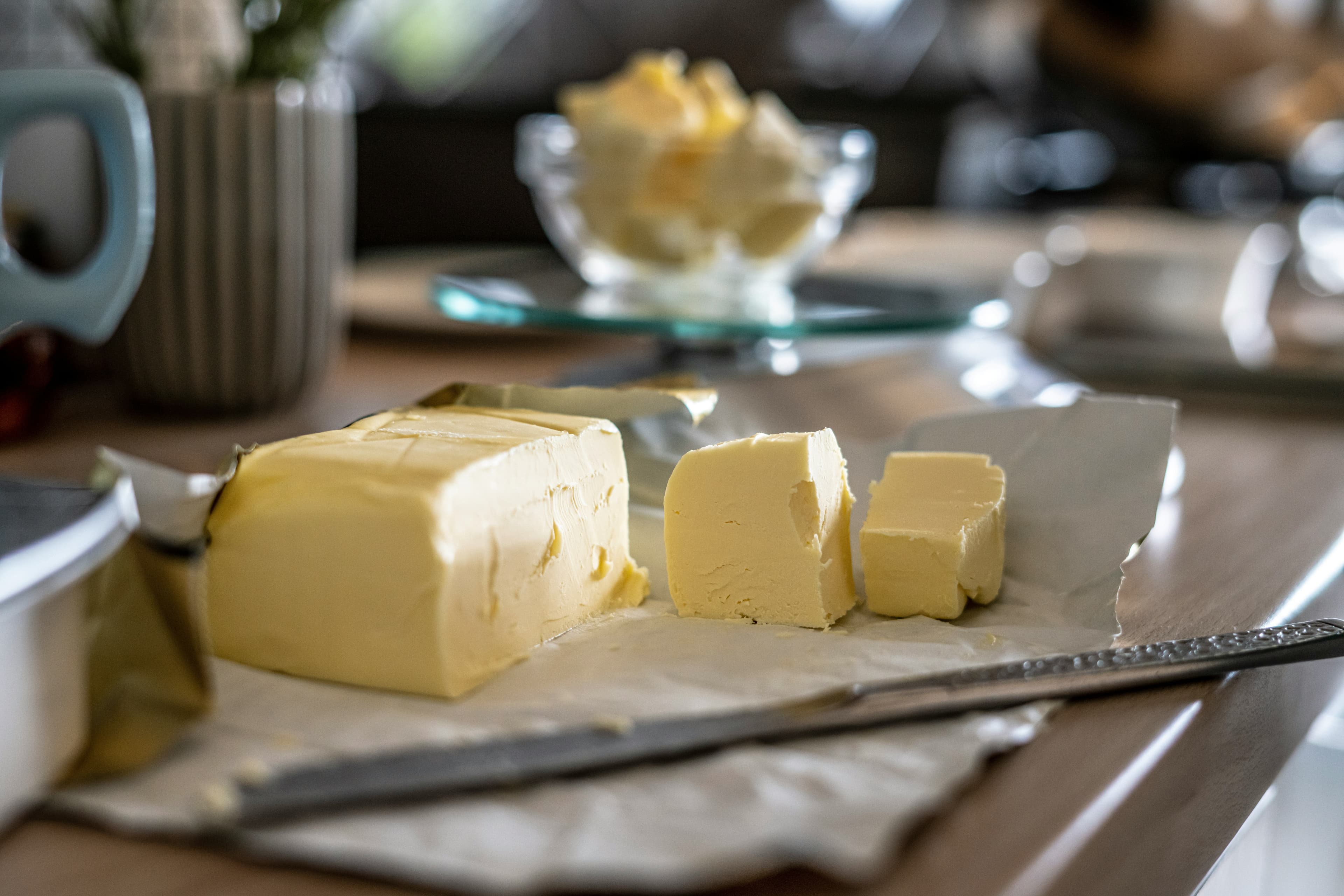
The golden goodness, ever feared, ever loved, Butter is hard to let go of. It is a forever kitchen staple used in everything from baking to cooking and enhancing the flavour of various meals. This creamy delight is one of those rare things that transcends cuisines. From being a bread spread for Western countries to being used for cooking steak in East Asia to being placed on hot Indian parathas, butter is devoured by the world in unique ways. Adding versatility to its list of appeals, butter comes in several unique flavours, textures, and culinary uses. So let's dive in and discover All about Butter: 9 types and their uses.
One of the most commonly found butter products in supermarkets is Salted Butter, which is made by simply churning butter with added salt. The salt not only enhances the flavour of butter but also acts as a preservative, giving salted butter a longer shelf life than its unsalted variant.
This pure creamy form of butter is the best option for baking and cooking because of the control it offers over dish seasoning. Unsalted butter is ideal for making recipes where too much salt might overpower the other ingredients, such as pastries, cookies, cakes, and other delicate baked goods.
This type of butter is made by melting butter and scooping off the milk solids and water, leaving behind a clarified butter. Clarified Butter is great for cooking dishes that require high heat. The process of clarification gives this butter greater withstanding of heat, allowing it to offer its nutty flavour to the dishes without the risk of burning. Clarified butter is commonly used in Indian cuisine, and it is known as ghee.
This high-fat butter carries a rich, creamy flavour and is commonly used in baking dishes like bread, croissants, pastries, and more flavourful sauces. European-style butter is churned longer than regular butter, which is why it contains a higher butterfat content (82% or more compared to the standard 80%).
As the name suggests, Whipped butter is regular butter that has been whipped with air, which gives it a light, fluffy texture. Its easily spreadable texture makes it the perfect butter to pair with toast, muffins, pancakes, bagels, or other spreads.
Cultured butter comes with a hint of tanginess as it is formed by fermenting the cream before churning it. The fermentation makes cultured butter smooth, creamy, and tasty. This butter is best paired with flaky pastries, fresh bread, and sauteed vegetables.
Made by mixing regular butter with various ingredients, such as herbs, garlic, lemon zest, or spices, Compound butter is ideal for cooking dishes such as steaks, grilled fish, vegetables, and bread. Its versatility enhances the flavour of any dish with minimal effort. Compound butter is highly appreciated for the level of personalisation it offers. You can make the compound butter best suited to your taste buds at home. All you need to do is get regular butter from the store and blend it with the flavour of your choice; once combined thoroughly, simply place it on a baking sheet and shape it into a block to store in your refrigerator.
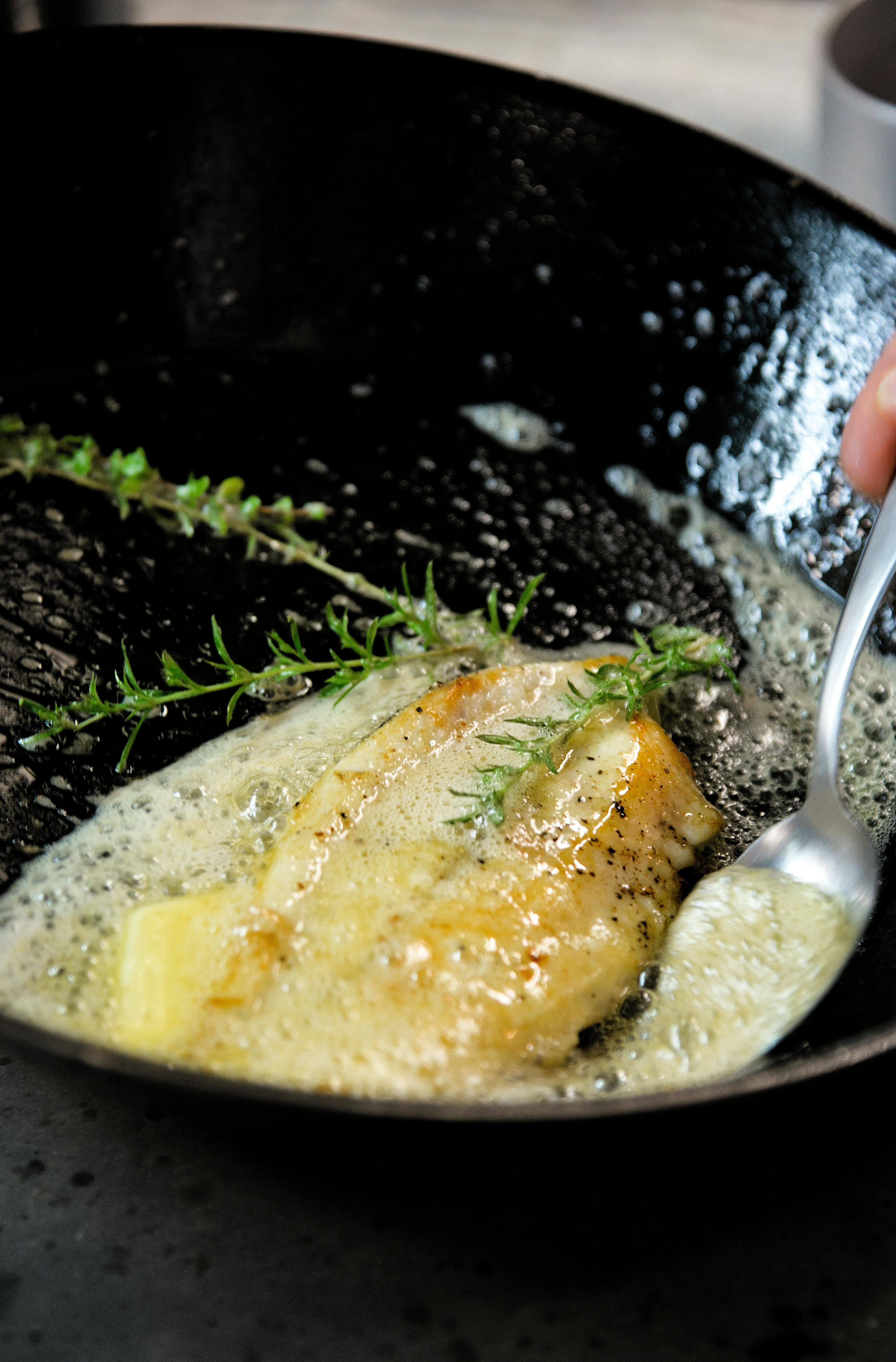
Compound butter is made by mixing softened butter with herbs, spices, and other flavourings, making it perfect for adding a burst of flavour to meats, vegetables, or bread.
Vegan butter is the go-to for people who want a dairy-free alternative to butter. Made from plant oils, vegan butter mimics the taste and texture of regular butter. Vegan butter is a great option for people who are lactose intolerant or vegan.
There are still many different types of butter to explore, but this is a good start. Understanding the difference between these common butter types will help you elevate your cooking and baking, as well as explore new flavours in familiar dishes. Stay tuned with us, and we will be guiding you through the culinary world one step at a time.
Updated on 24 Jul 2025
Save recipes from anywhere, and get answers, swaps, and help as you cook.


