We use cookies on this website to ensure its proper functioning and to improve the quality of our services. Cookie Policy
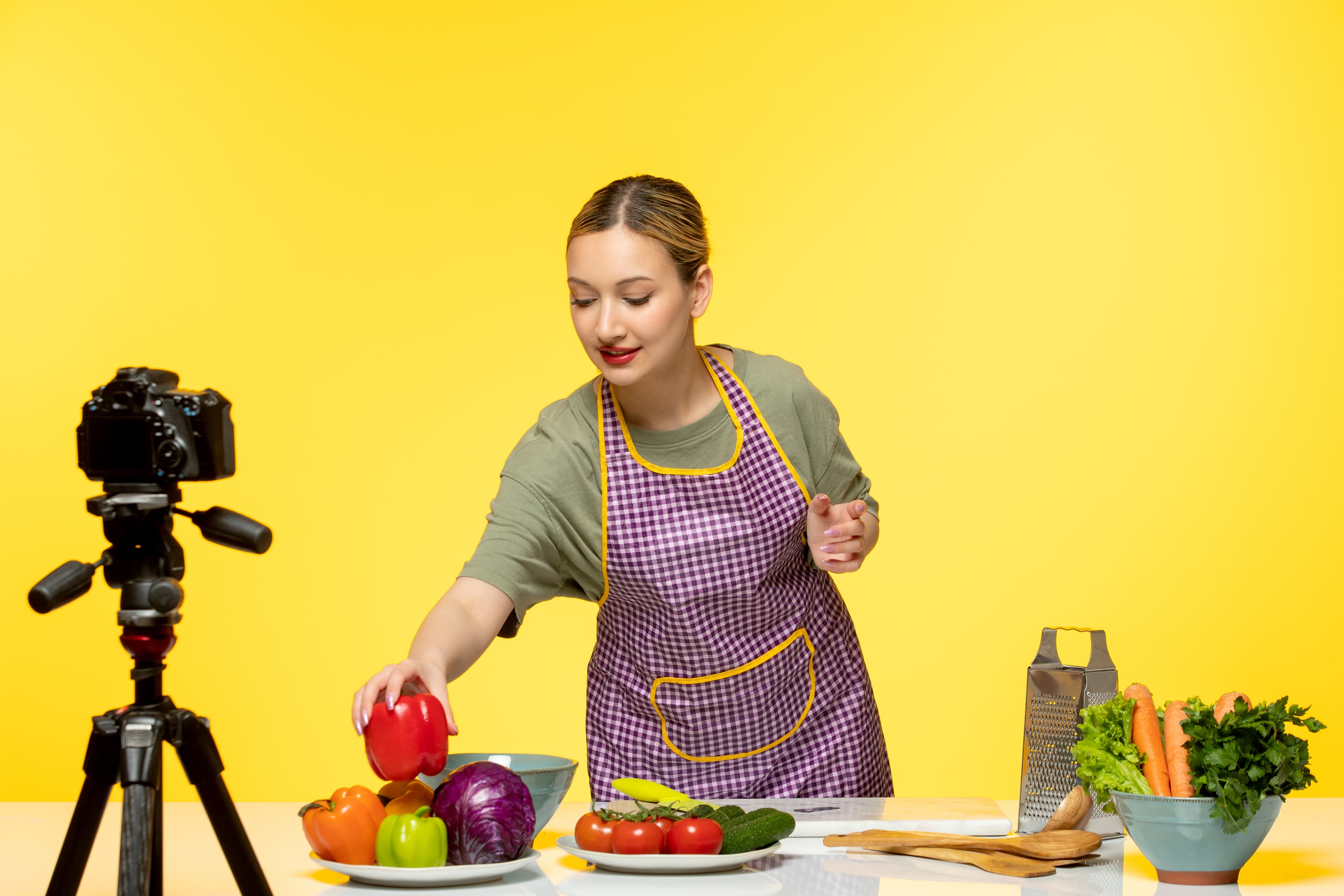
Learn how to overcome the most common food creator mistakes, improve recipe clarity, and build sustainable content growth- with actionable fixes you can apply before you publish your next recipe.
Food content creation is one of the most rewarding creative journeys- and one of the most misunderstood. Many food creators, bloggers, and recipe developers put in hours of effort and still feel stuck asking: why is my food content not growing?
The truth is, slow growth rarely happens because the food is bad. It happens because of common food creator mistakes that quietly erode trust, clarity, and consistency over time. Whether you're just starting out or have been creating for years, these mistakes are easy to repeat without realising their impact. The good news: they're just as easy to fix once you see them.
Creators who are also navigating creative fatigue may find it helpful to reflect on Burnout as a Creator: Should You Push Through or Take a Break? while reading this.

Food creator mistakes often feel small in the moment, but over time they affect discoverability, audience trust, and motivation. Understanding these mistakes which slow food creator growth is the first step towards long term growth for food bloggers.
If you feel stuck or frustrated, pause before pushing more content. Growth is often stagnant from repeating the same food creator mistakes, not from lack of effort or creativity.
One of the most common food blogger mistakes is publishing recipes that have not been tested thoroughly. Even experienced food creators sometimes assume a recipe will work because it feels intuitive. However, small variations in ingredients, timing, or technique can result in recipe fails for the audience.
When a recipe does not work as expected, it affects recipe clarity and trust. People may hesitate to try another recipe from the same creator. This is often an unspoken reason why food creators struggle to grow despite consistent posting.
Testing recipes properly is not about perfection. It is about reliability. Reliable recipes encourage saves, shares, and repeat visits, all of which support sustainable content creation. Many creators who focus on everyday cooking habits also explore ideas around intentional cooking, similar to themes discussed in Mindful Cooking: Finding Joy in Everyday Meals.
Testing does not always mean cooking a recipe five times. Even one additional test with different cookware, ingredient brands, or portion sizes can dramatically improve recipe clarity.
This is a surprisingly common food mistake. Ingredients when listed out of order, create friction for readers and viewers. People want to cook smoothly without constantly scrolling or second guessing.
When ingredients follow the order of use, recipes feel easier and more welcoming. This simple habit is a core part of recipe content best practices and directly affects usability.
Poor ingredient structure is one of those common mistakes food bloggers make that slowly reduces audience engagement for food creators, even when the food itself is excellent. Clear ingredient organisation also becomes important when creators are thinking about how to organise and share your recipes without PDFs or WhatsApp, especially as content libraries grow.
Vague instructions are among the most frequent food creator mistakes. Phrases such as cook until done or mix well may feel efficient, but they leave too much room for interpretation and often leaves the reader confused.
Lack of specificity often leads to recipe fails, especially for beginner cooks. Over time, this becomes an answer to ‘why my food content is not growing’ for many creators. Clear instructions improve recipe clarity and help audiences feel confident following along.
Food content that explains textures, visual cues, and approximate timings performs better in the long term and supports food creator growth without burnout. Many creators improve this skill over time while learning from broader food blogging resources and guides such as Six SEO Tips for Food Bloggers to Get More Traffic to Your Recipes, even if SEO is not their primary focus.
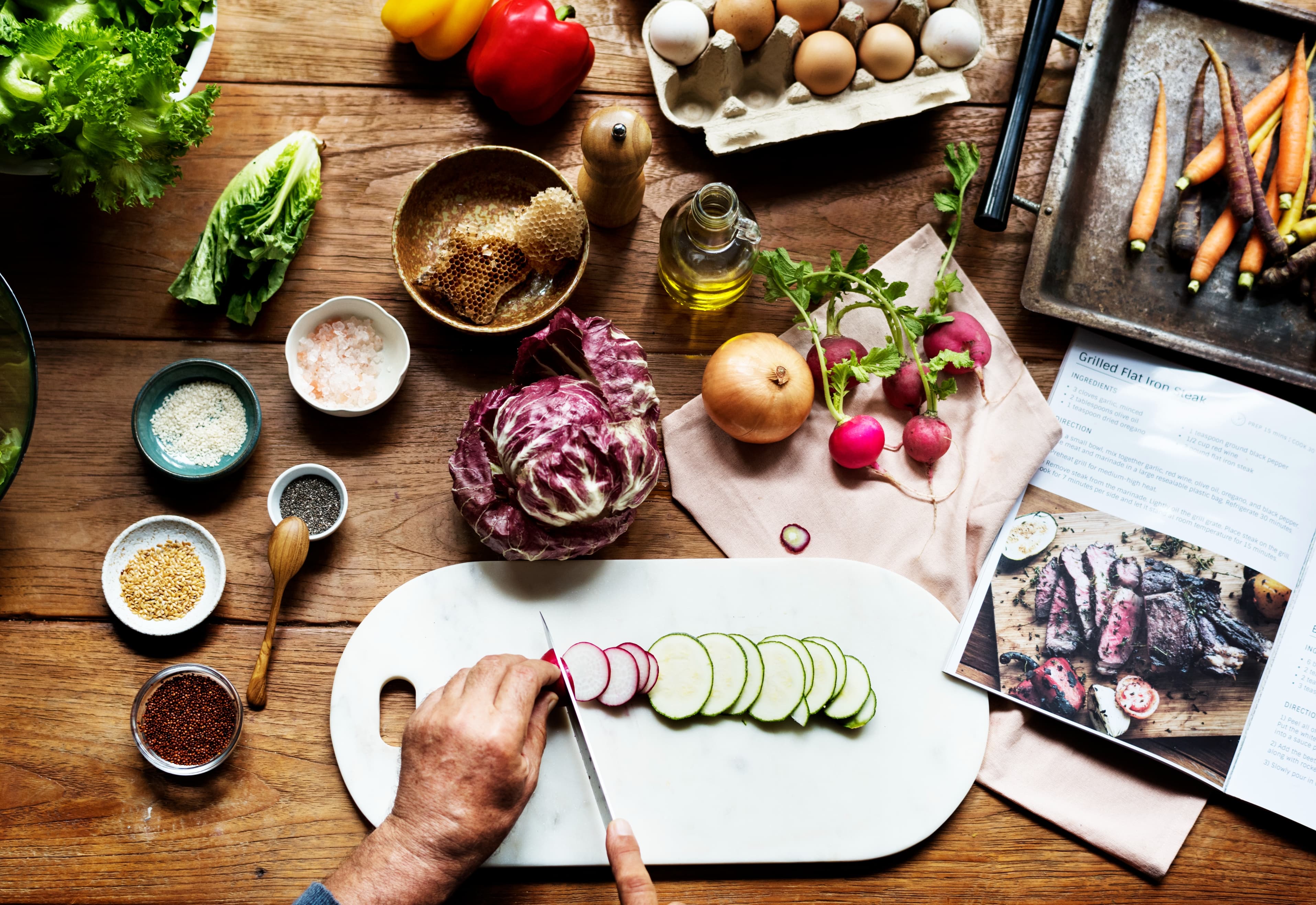
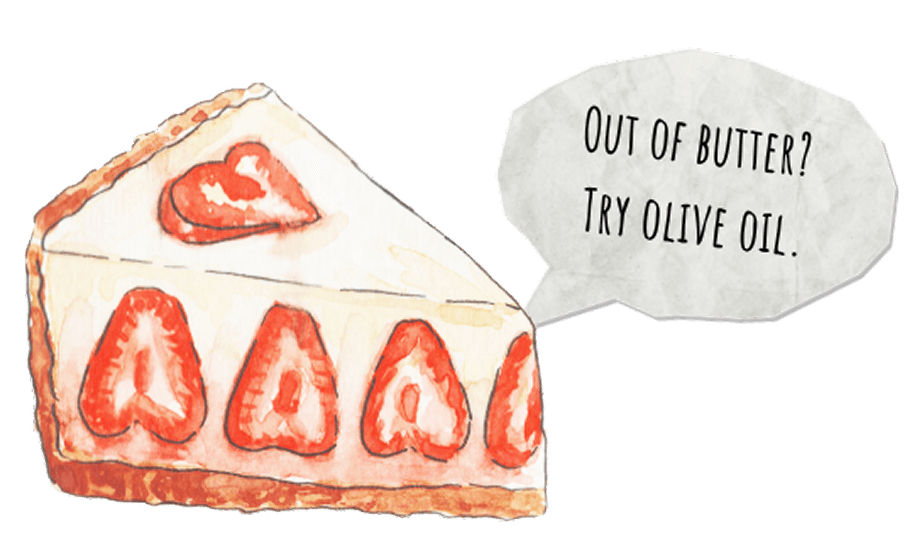
Not offering substitutions is a mistake made by food creators that limits reach and inclusivity. Audiences come from different regions, budgets, and dietary needs. When content does not acknowledge this, it unintentionally excludes people.
Offering alternatives makes food content flexible and adaptable. It also allows creators to repurpose food content easily across platforms and formats. This supports long term growth for food bloggers and strengthens audience trust. Creators who work closely with nutrition focused audiences or dieticians often emphasise this flexibility.
Substitutions are not extra work. They are an extension of thoughtful food content creation.
Even one simple substitution can help your food content reach new audiences and reduce comments asking for alternatives later.
Skipping storage, reheating, or shelf life information is another overlooked food blogger mistake. Many people cook with practical goals such as meal prep, leftovers, or planning ahead.
When storage tips are missing, content feels incomplete. Including practical guidance improves usability and encourages saves. Over time, missing this information becomes one of the mistakes slowing food creator growth.
Food creators who include these details often see better audience engagement for food creators and repeat visits.
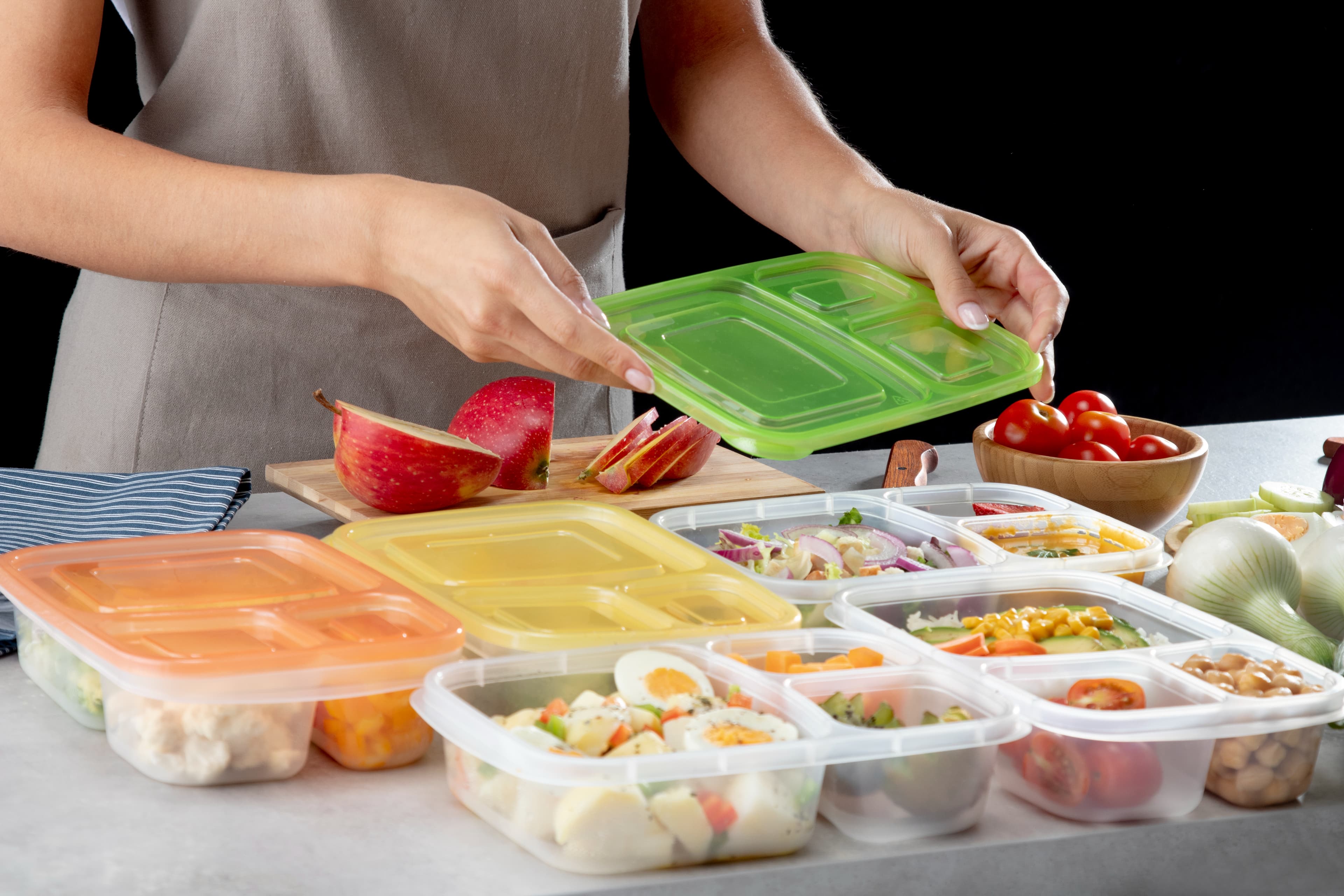
Storage tips often increase saves more than aesthetic visuals because they help audiences plan real life cooking.
Attribution is essential in food blogging. Not crediting inspirations, cultural roots, or adapted recipes is a serious food creator mistake that can damage credibility.
Transparent attribution builds trust and reflects professionalism. It also positions food creators as respectful contributors to a shared culinary space. This practice supports sustainable content creation and long term growth for food bloggers.
Audiences value honesty, and creators who practice it build stronger communities.
One of the biggest food creator growth mistakes happens behind the scenes. As food content grows, recipes and ideas become scattered across notes, drives, messages, and platforms. Without organising recipes online, creators often feel overwhelmed.
This lack of organisation leads to food creator burnout and inconsistent posting. Many creators asking why my food content is not growing are actually facing an organisation issue rather than a creativity issue. Creators dealing with scattered content often start looking for clearer systems similar to those discussed in How to Organise and Share Your Diet Recipes Without PDFs or WhatsApp.
Using food blogging resources, tools for food bloggers, or a recipe organisation platform can significantly reduce this pressure and support long term growth.
Organisation is a creative support system. When ideas are easy to find, creating becomes lighter and more enjoyable. Use platforms that allow you to share recipes and do the organisation, and we, at Chefadora.com do exactly that for you.
Avoiding food creator mistakes does not require drastic changes. Small shifts in approach can make food content creation more sustainable and rewarding.
This is one of the most effective ways to reduce food creator burnout and support long term growth. Beyond recipes, creators also benefit from building a content strategy for food creators that focuses on consistency rather than volume.
Sustainable growth comes from the system. When your process feels calm, your food content often performs better.
Here is a go-to checklist that can help food creators review their content without feeling overwhelmed.
This checklist supports food creators who want to grow sustainably without burning out. So, go ahead, take a screenshot of this checklist or visit Chefadora.com anytime you need it.
Revisit this checklist once a month instead of daily. Growth improves when reflection feels supportive, not stressful.
As food creators grow, many realise that managing food content becomes harder than creating it. This is when creators start looking for a platform for food creators that supports organisation, clarity, and growth.
Using a recipe organisation platform allows creators to store, structure, and revisit their content easily. This helps with repurposing food content, maintaining consistency, and building a strong content library over time.
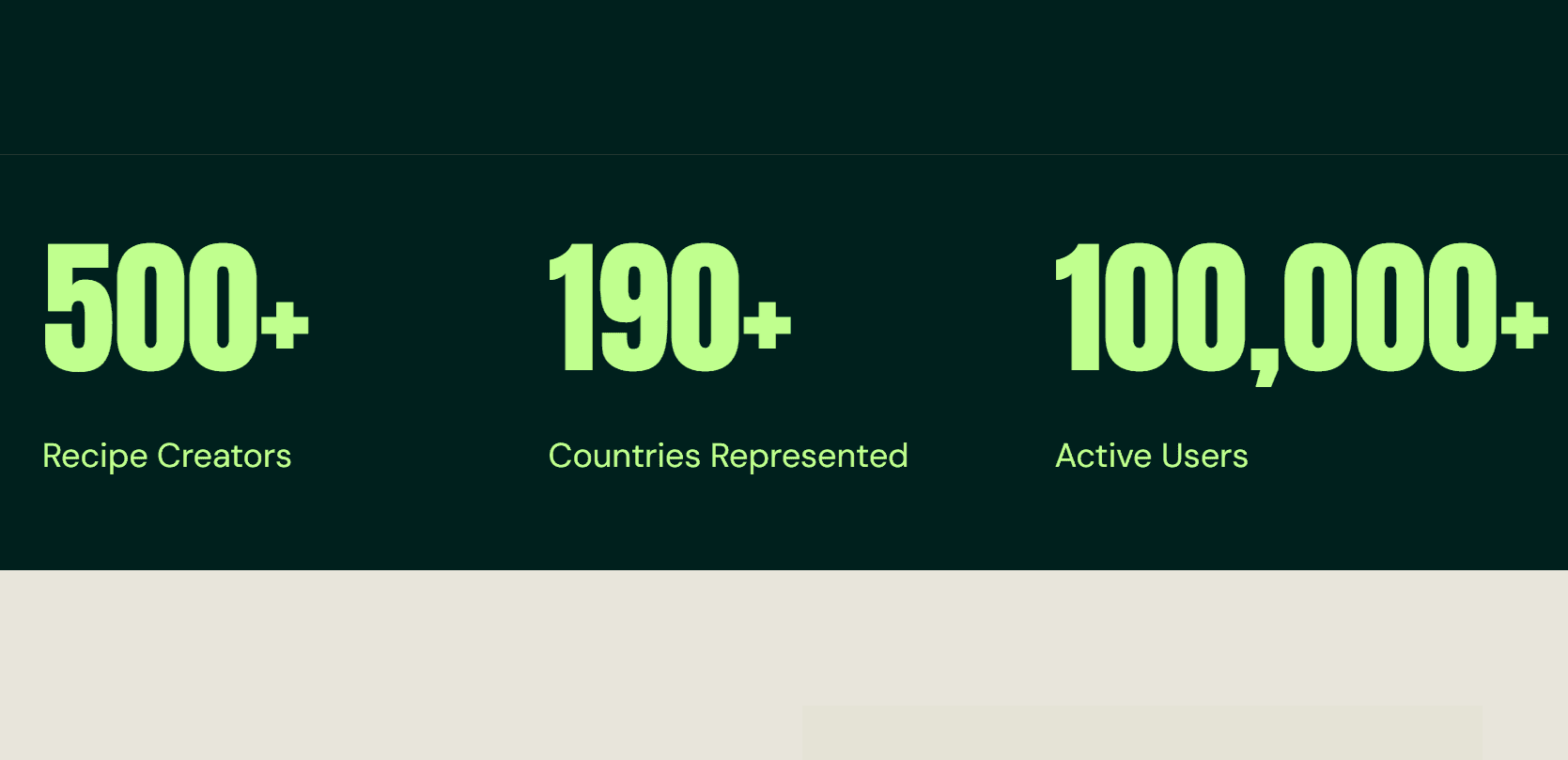
Chefadora.com is designed as a food creator resource that helps creators organise recipes online, maintain clarity, and build trust with their audience. Instead of juggling scattered tools, creators can focus on what they do best, creating meaningful food content. Creators interested in turning their skills into a professional offering can also
explore How Private Chefs Use Chefadora to Grow Their Culinary Business.
Every food creator hits moments of slow growth. In most cases, the fix isn't posting more- it's fixing the small things that quietly undermine trust and usability. Better recipe testing, clearer instructions, more inclusive substitutions, and a proper home for your content: these compound over time into real, sustainable growth.
If you've been creating recipes but haven't set up your own recipe page yet, that's your next move.
Start publishing on Chefadora for free →
Q1. What mistakes do food creators make most often?
A1. Food creator mistakes include unclear recipes, inconsistent posting, lack of organisation, poor audience engagement for food creators, and skipping practical details like storage tips.
Q2. Why is my food content not growing?
A2. Slow growth as a food blogger is often caused by recipe clarity issues, inconsistent content strategy for food creators, food creator burnout, or lack of organisation rather than lack of talent.
Q3. How often should food creators post?
A3. Consistency matters more than frequency. Food creators grow sustainably when they post at a pace they can maintain without burnout.
Q4. Do food bloggers get paid?
A4. Yes. Food bloggers earn through ads, brand collaborations, affiliate marketing, content licensing, and platforms for food creators.
Q5. What are the most common cooking mistakes?
A5. Common food mistakes include overcooking, under seasoning, skipping prep, incorrect heat control, and rushing recipes.
Q6. How do food bloggers grow without burnout?
A6. Food bloggers grow without burnout by repurposing food content, using food creator resources, organising recipes online, and maintaining realistic content goals.
Every food creator experiences moments of doubt, slow growth, and uncertainty. These moments do not define your ability or potential. In most cases, growth slows because of repeated food creator mistakes that are easy to fix once recognised. By focusing on recipe clarity, organisation, consistency, and audience engagement, food creators can build sustainable content creation practices without burning out.
Food content creation is a long term journey. With the right habits and supportive food blogging resources, creators can grow steadily and confidently. If you are looking for a platform for food creators that helps you organise recipes, simplify your process, and focus on creativity, Chefadora.com can be a helpful place to begin.
Updated on 24 Apr 2026
Save recipes from anywhere, and get answers, swaps, and help as you cook.

