We use cookies on this website to ensure its proper functioning and to improve the quality of our services. Cookie Policy
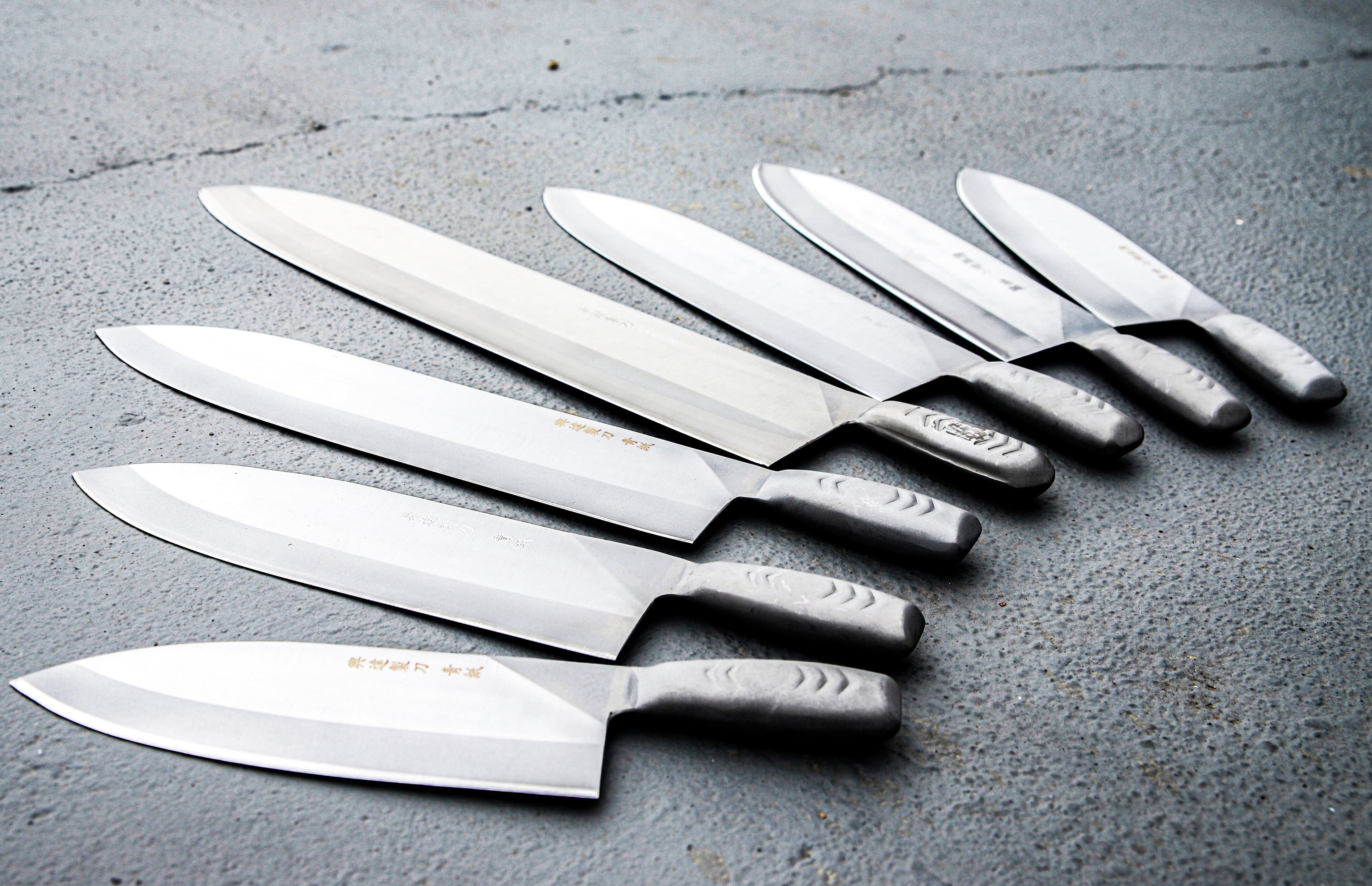
The way you cut an ingredient shapes how it tastes, cooks, and looks on the plate. This guide covers the essential kitchen cutting techniques every cook should know, including julienne, batonnet, mince, chop, dice, brunoise, slice, chiffonade, and oblique. Learn when to reach for each knife cut and you'll get more even cooking, better texture, and cleaner presentation from the very same ingredients.
If you have been cooking long enough, you will know that the tomatoes in your sandwich taste different from those in your salad. Ever wonder why? Well, it's because they were cut differently. Different cutting techniques can bring out different flavours and textures of the same ingredient. One of the first lessons of culinary school is the various types of Cutting Techniques. You are in luck; we bring this lesson to you on your screens. So scroll away and learn about 10 Cutting Techniques Everyone Should Know.
Julienne, or French cut, is when the food is cut into long, thin strips, somewhat like a matchstick. We see this cut commonly placed in French fries and cucumbers for Korean cold noodles.
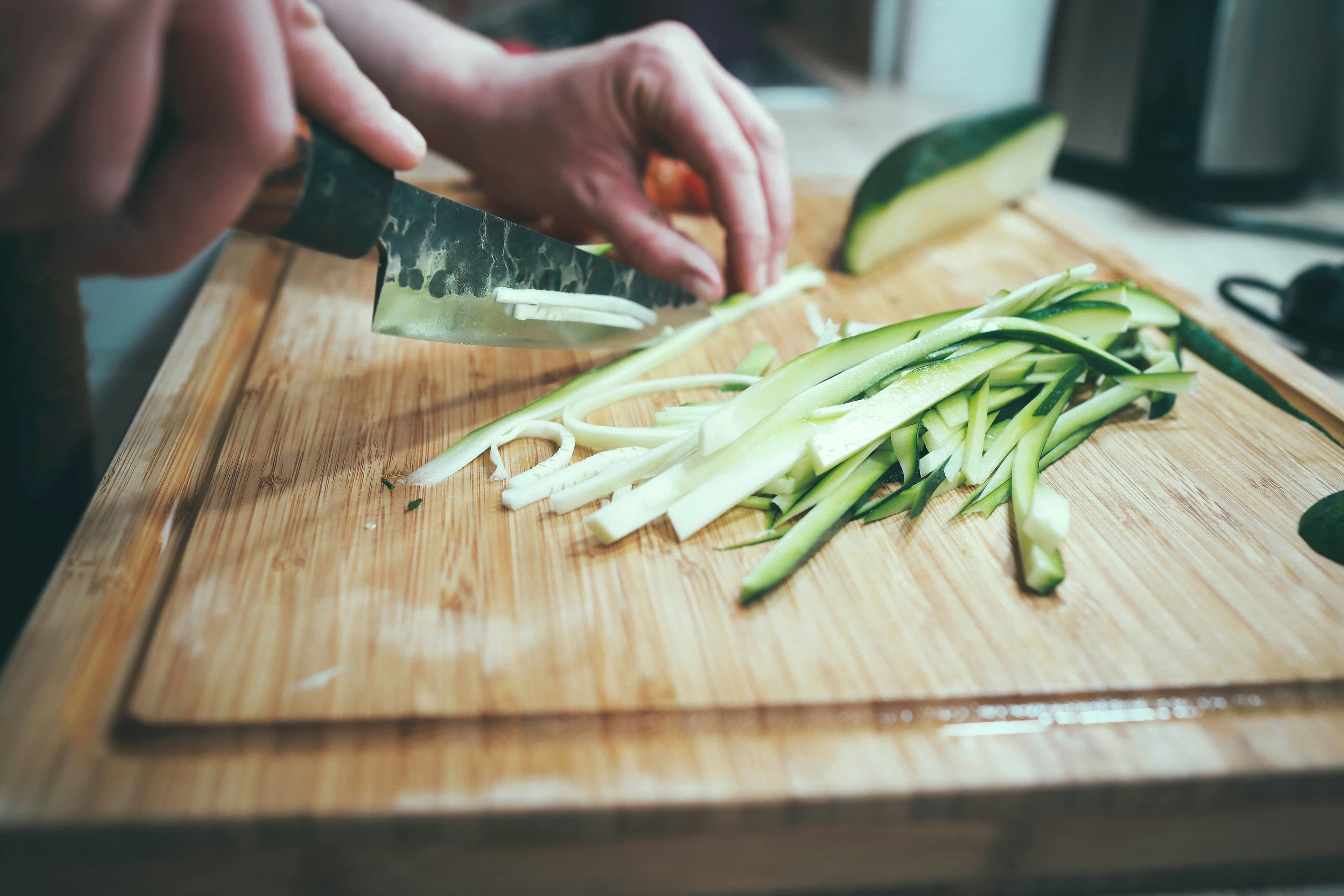
Much like Juliene, the Batonnet also resembles long strips or a plank, only more rectangular and thicker. Batonnet is French for “little stick” and measures approximately 1⁄4 by 1⁄4 by 2–2+1⁄2 inches.
Mince is a miniaturised version of a Brunoise. Commonly used for ingredients like garlic, ginger, fresh herbs, and onion, as it helps evenly distribute flavours. The Mince cut creates a fine, almost paste-like consistency.
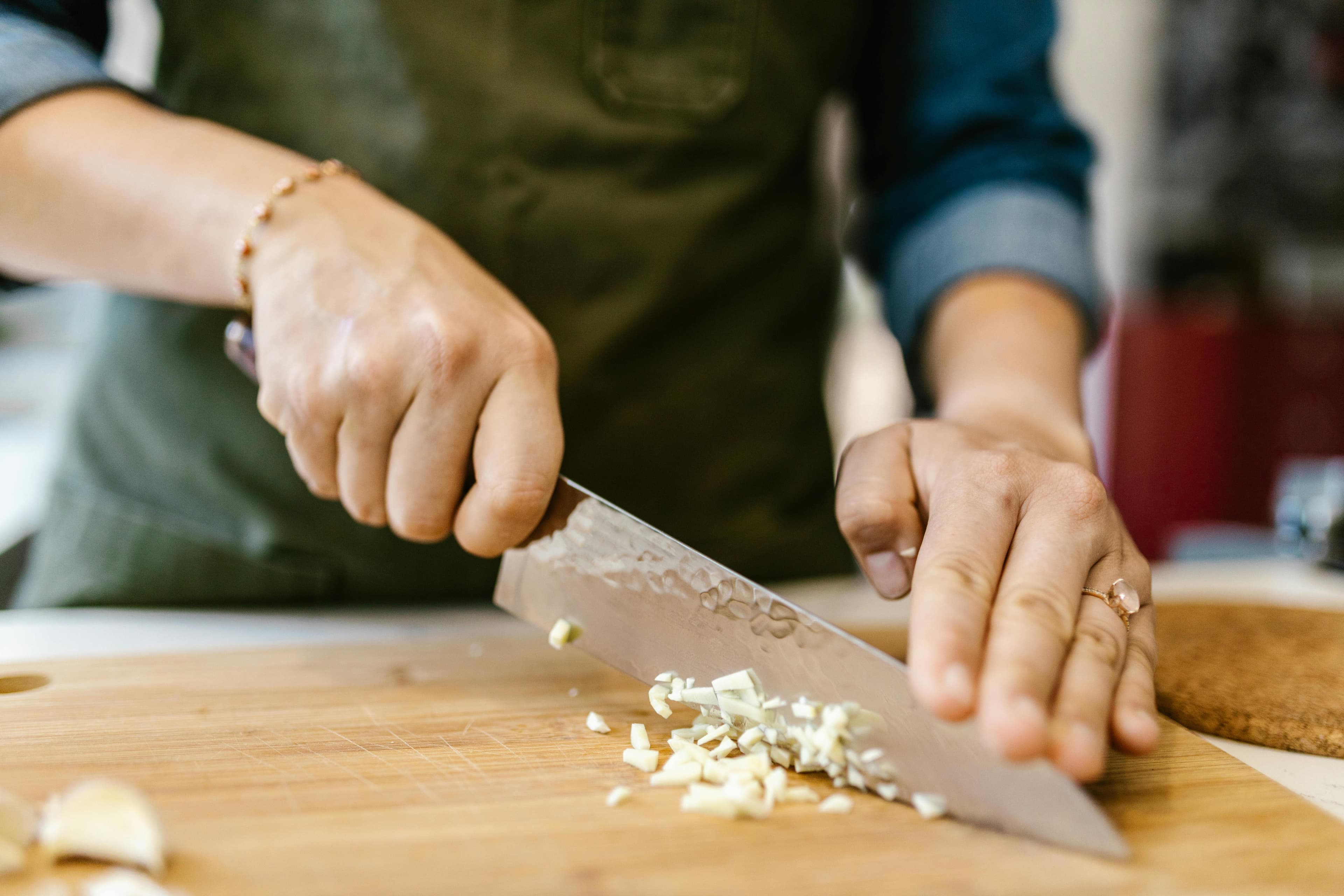
This cut is naturally irregular in shape and size, so if you are not interested in presentation and simply want to get to eating, the chop is your go-to knife technique.
Dice is the most commonly used cutting technique. To get a dice, you first cut your vegetable in a Batonnet and then bundle it together to cut across, creating small cubes of various sizes as per your requirement.
The best way to describe a Brunoise cut is tiny cubes. To get a Brunoise, you first need to cut your vegetable in a Julienne cut, then bundle it together to cut, dicing them into 1/8-inch cubes. The size of these cubes separates them from a typical mince, which you can get by making them smaller.
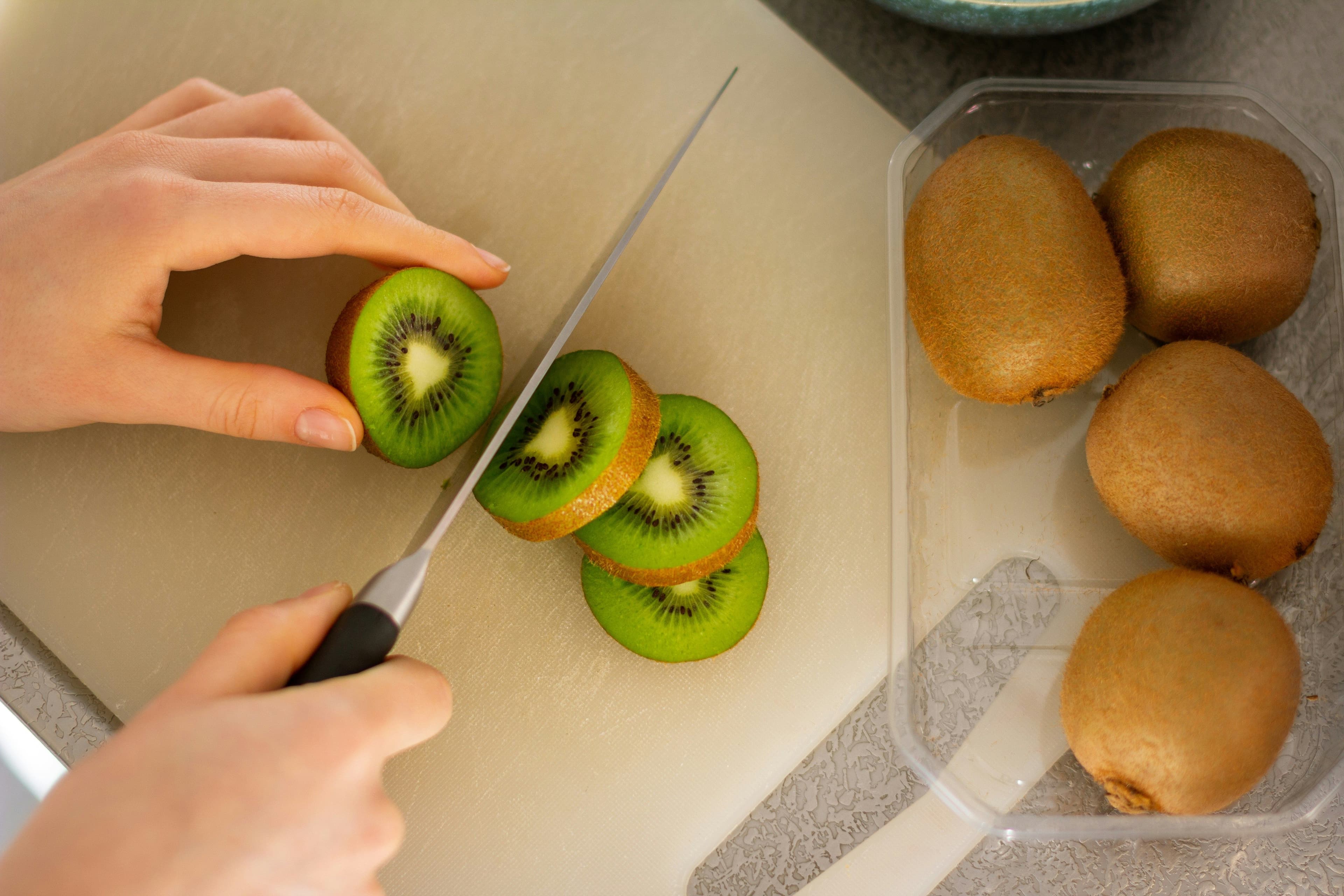
Another basic but essential knife skill everyone should know is slicing. The thickness of these slices can be adjusted according to preference. The slicing method often requires cuts along the natural shape of the ingredient, so a tomato slice will be circular, but a slice of rectangular bread loaf would be square or rectangular.
The Chiffonade cut is for cutting into shreds. It is a technique used for cutting leafy vegetables like spinach, cabbage, lettuce, and herbs. To make this cut, you roll up the vegetable and cut horizontally to get thin strips.
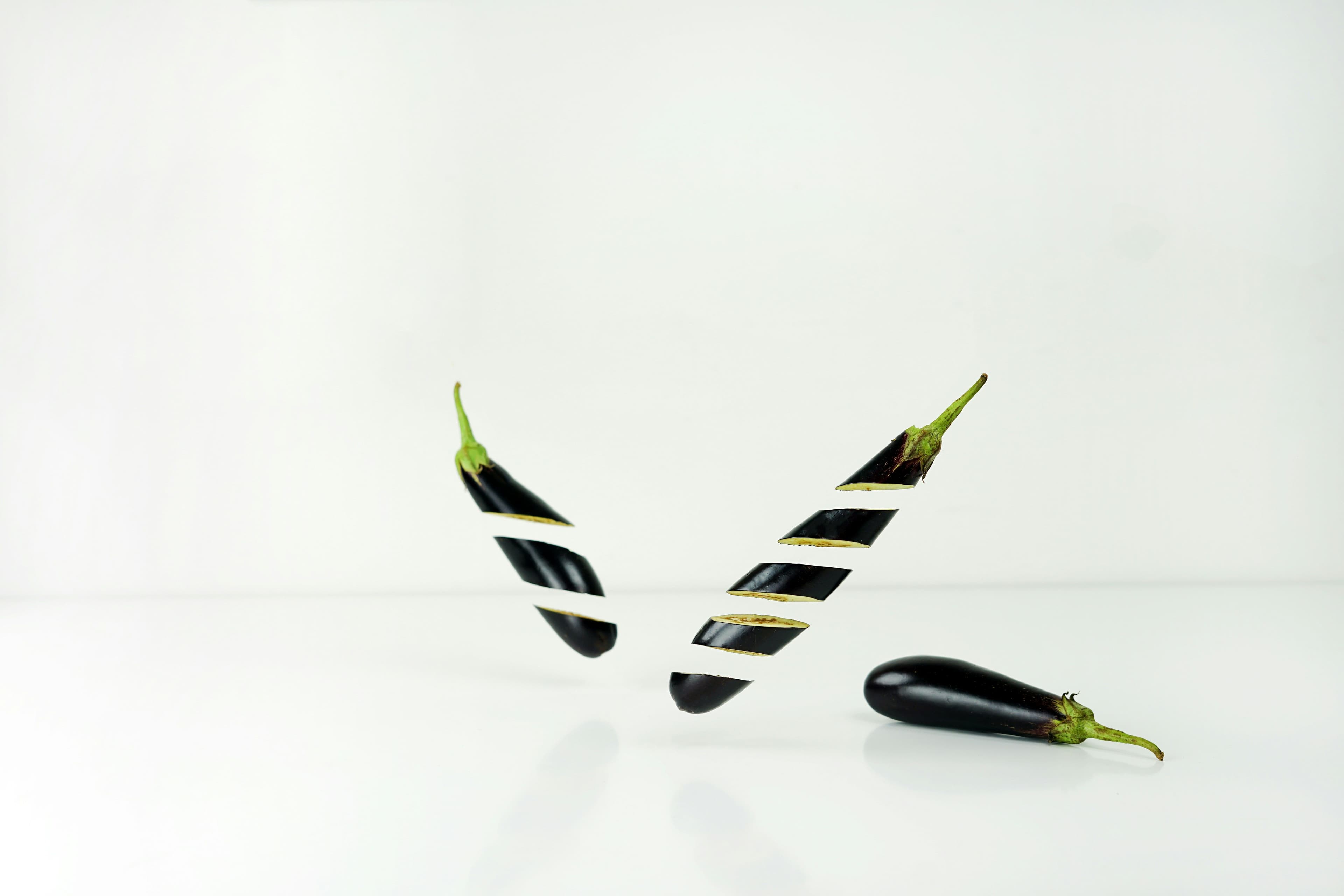
This unique cutting technique creates pieces with two angled sides. Most commonly used on carrots and zucchini, the Oblique is also called the “roll cut”, as the method requires rolling the ingredient a quarter turn after each cut.
A1. The core kitchen cutting techniques are julienne, batonnet, mince, chop, dice, brunoise, slice, chiffonade, and oblique. Each knife cut changes the size, shape, and surface area of an ingredient, which affects how it cooks and how it sits on the plate. Learn this handful of cuts and you've covered most everyday cooking.
A2. The same ingredient can taste and feel completely different depending on how it's cut, because the cut changes surface area, texture, and how evenly it cooks. A fine mince spreads flavour through a whole dish, while a clean slice keeps shape and bite intact. Matching the cut to the dish gives you better results without changing a single ingredient.
A3. Both are stick-shaped knife cuts, but the batonnet is thicker and more rectangular, while the julienne is thin like a matchstick. Julienne suits delicate garnishes and quick-cooking vegetables, and batonnet works for heartier pieces that need more bite. They follow the same basic method, just at different sizes.
A4. Chiffonade is a technique for turning leafy greens and herbs into thin ribbons or shreds. The leaves are stacked or rolled, then sliced across into delicate strips. It's a common way to prepare ingredients like basil, spinach, and lettuce for garnishes and finishing touches.
A5. A brunoise is a precise cut of tiny, even cubes, usually built from a julienne first. A mince is finer and more irregular, often reducing ingredients like garlic or ginger to an almost paste-like consistency. The real difference is uniformity: brunoise gives you neat cubes, mince gives you a fine, loose result.
A6. A sharp knife is generally safer than a dull one, because it grips the ingredient and needs less force, which gives you more control over each cut. A dull blade is far more likely to slip. Keeping your knives sharp is one of the simplest ways to make cutting cleaner and steadier.
That was our list of 10 Cutting Techniques Everyone Should Know. Feel free to refer to this list the next time you host a dinner.
Updated on 20 Aug 2026
Save recipes from anywhere, and get answers, swaps, and help as you cook.


